Key Takeaways:
- The right car carrier vehicle improves load capacity, fuel efficiency, and overall fleet profitability.
- High-capacity trailers increase revenue per trip but require consistent usage to be cost-effective.
- Smaller rigs like hotshots offer flexibility and speed, but limit earnings due to lower vehicle volume.
- Specialty trailers (enclosed, flatbed) serve niche markets with high payouts but also higher costs and slower turnover.
- Super Dispatch helps carriers match the right trailer to each job, reducing deadhead miles and optimizing fleet usage in real time.
In auto transport, size doesn’t always equal strength. A massive fleet with mismatched trailers and underused equipment will always lose out to a smaller, optimized one.
Plus, the pressure is on. Fuel costs are up. Brokers expect speed and flexibility. One wrong trailer on the wrong route can kill your profit margin for the day.
So here’s the real question: Do you have the right car carrier vehicles for the kind of work you’re trying to scale?
In this guide, we’ll break down why equipment fit matters more than equipment count. You’ll get a clear look at common trailer types, where they shine, and how they impact your bottom line. You’ll also be able to appreciate how tools like Super Dispatch help make every vehicle in your fleet pull its weight.
What Is a Car Carrier Vehicle (and Why It’s Not One-Size-Fits-All)?
A car carrier vehicle is a truck and trailer combo built to haul one or more vehicles from point A to point B. But here’s the thing: it’s not just one type of rig. And there’s no “best” trailer for every job.
The right setup depends on your routes, load types, and business goals. Choosing the wrong one can lead to wasted space, slower loading, and lost profit.
Here’s a quick look at common variations:
- Single-Car Hotshots: Compact and flexible. Ideal for quick, local runs or one-off high-priority deliveries.
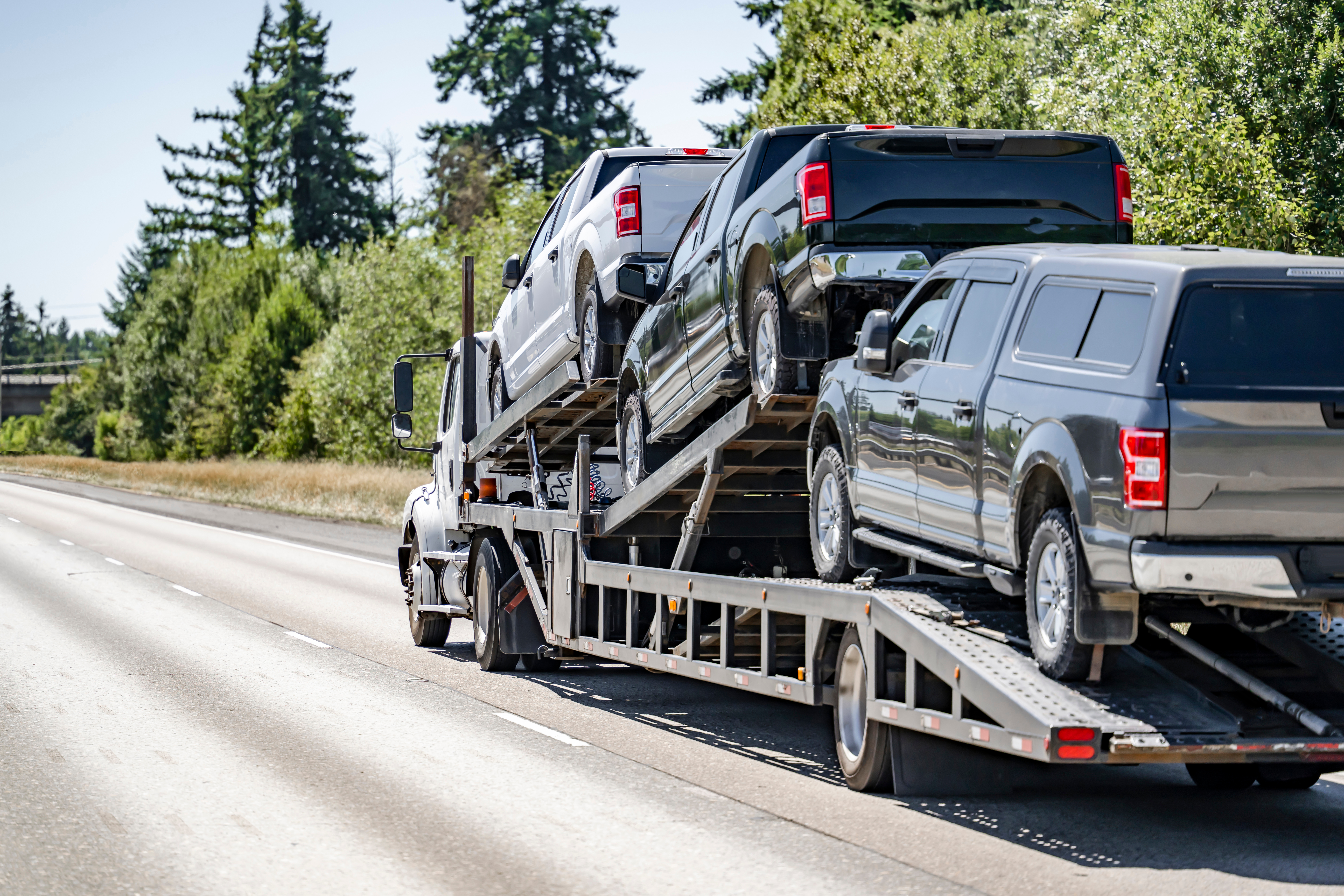
- Wedge Trailers: Lightweight, 2-3 car setups often pulled by a dually. Great for regional loops with frequent stops.
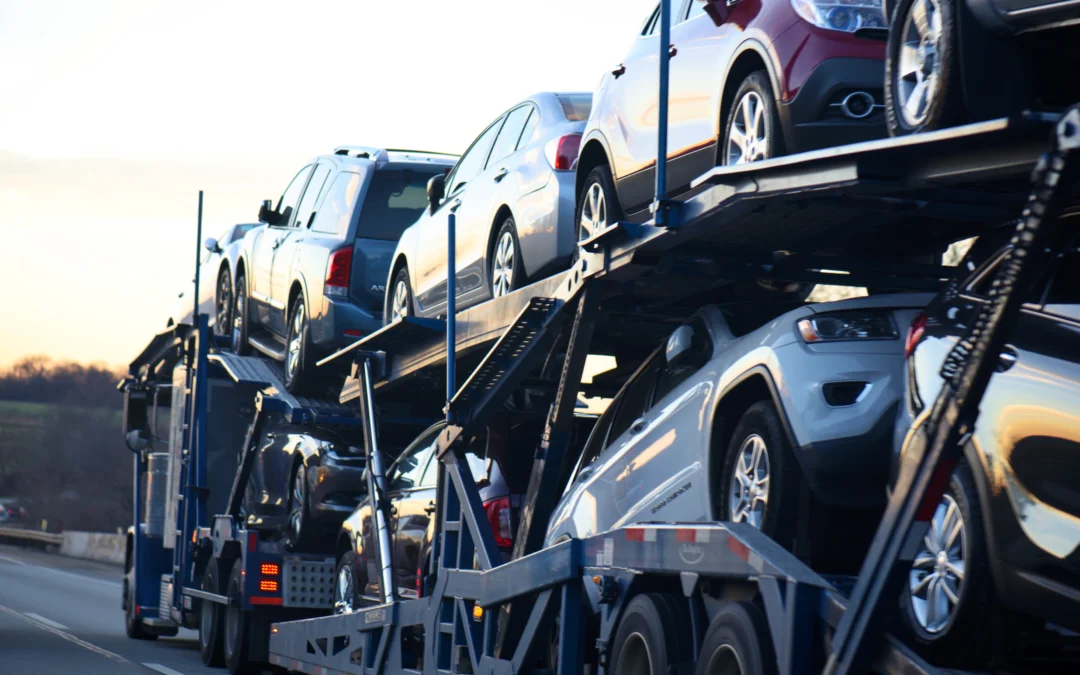
- Multi-Level High-Capacity Trailers: Think 7-10 car haulers. Best for long-haul, high-volume routes. High earning potential, but limited flexibility.
- Enclosed Carriers: Premium protection for luxury or collector vehicles. Slower to load and less capacity, but high payout per load.
- Flatbeds: Used for inoperables, oversized units, or specialty hauls. Rarely full-time rigs, but essential for niche jobs.
Simply put, not all carriers are built the same, and they shouldn’t be. The best setup is the one that fits your mix of loads, not someone else’s.
How the Right Vehicle Improves Fleet Efficiency
Capacity is only one aspect of choosing the right trailer. Your focus should be on how much value you can squeeze out of every mile. The proper setup helps you run leaner, faster, and smarter.
1. Maximize Load Density
More vehicles per trip means more revenue per mile. Multi-car trailers lower your cost per unit.
A properly fitted rig avoids “dead space” and keeps you from leaving money on the deck. Enclosed? Wedge? Use what fits the load, not what looks the biggest.
2. Faster Load and Unload Times
Match trailer configuration to your route type:
- Wedges are great for short loops with quick drop-offs.
- High-capacity stacks shine on long hauls with fewer stops.
Fewer delays equal tighter turnarounds, which means more runs per week.
3. Route Compatibility
Big trailers can be a pain in tight cities, overpasses, or narrow driveways. So, know your routes.
Match your trailer’s clearance, length, and flexibility to what’s ahead. The wrong equipment slows you down (or worse, keeps you from accepting jobs).
4. Lower Downtime
Breakdowns kill momentum and opportunities. Reliable equipment translates to fewer missed loads and delays.
Simpler trailers often mean quicker maintenance and easier repairs. A well-matched trailer moves loads and your business forward.
Vehicle Type vs. Route Type: Finding the Best Match
Not every trailer fits every lane. To boost profits and avoid headaches, match your rig to your routes.
Here’s a simple, practical comparison matrix.
| Vehicle Type | Best For | Pros | Tradeoffs |
| Single-car trailer | Urgent or specialty hauls | Quick dispatch | Not scalable for fleet revenue |
| Wedge trailer | Local deliveries, auctions | Easy to load | Lower capacity |
| Open multi-car hauler | Long hauls, fleet redistribution | High volume, efficient | May be restricted in urban routes |
| Enclosed carrier | High-value or weather-sensitive units | Premium protection | Higher cost and slower to book |
| Flatbed | Inoperable or oversized vehicles | Specialty flexibility | Not ideal for standard carloads |
To reiterate, don’t just “go bigger.” Match your equipment to what you actually haul, not what you think looks impressive.
Business Considerations When Choosing Car Carrier Vehicles
Choosing a car hauler requires you to think beyond what fits on the trailer. More importantly, you need to consider what fits your business model.
Here’s what to factor in.
Startup vs. Scaling Fleets
Just starting out? Focus on flexibility. Hotshots and wedges help you take on varied loads without overcommitting.
Scaling up? Go for volume. High-capacity trailers make the most sense when you’ve got steady lanes and repeat business.
Upfront Cost vs. ROI
Here are some ballpark ranges of the upfront costs you can expect to pay:
- Wedge trailers: $7K-$15K
- Enclosed: $15K-$30K+
- High-capacity: $50K-$100K+
Bigger rigs bring in more, but only if you can keep them full and running. ROI comes down to utilization, not size alone.
Licensing and Insurance
Larger trailers often require more extensive CDL requirements and cargo insurance limits. Make sure your rig doesn’t push you into higher-risk (and higher-cost) territory without a plan.
Resale Value + Maintenance
Some trailers hold their value better than others. And as we mentioned earlier, simpler setups usually mean easier repairs and fewer specialized parts.
The right rig keeps downtime low and resale strong when you’re ready to upgrade.
Broker Confidence
The right equipment also builds trust. A broker sees your clean, well-matched setup and knows you’re serious.
In turn, this can mean better loads, more repeat jobs, and long-term partnerships.
How Super Dispatch Supports Smarter Equipment Utilization
Having the right trailer is only half the battle. Knowing how to use it well—and keep it busy—is where the real money is made.
That’s where Super Dispatch helps:
- Smarter Load Matching: The Super Loadboard helps you find loads that actually fit your equipment. No guesswork, no wasted calls. See what’s bookable now, filter by trailer type, and keep your rigs full.
- Visibility Into Fleet Usage: With Carrier TMS, you can track which trucks are running, which are idle, and how your assets are being used. No more underutilized equipment eating up overhead.
- Seamless Documentation for Any Rig: No matter what you haul with (wedge, stacker, enclosed), digital BOLs and inspections keep your records clean and consistent. That’s especially useful when dealing with multiple trailer types or managing driver handoffs.
- Better Use of Every Mile: Whether you’re a solo operator or running a 20-truck fleet, Super Dispatch helps you maximize uptime, reduce back-office chaos, and turn more loads into real profit.
All in all, you get a complete, centralized hub for equipment strategy (not just load tracking).
Equipment Strategy = Business Strategy
The vehicles you choose impact your bottom line just as much as the loads you book. The right rig helps you run more efficiently, earn more, and waste less. So, re-evaluate your current trailer mix and route strategy to spot areas of optimization.
Whether you’re hauling cross-country or doing local loops, every piece of equipment in your fleet should be pulling its weight. That starts with choosing the right setup, and then using tools that help you get the most out of it.
Super Dispatch gives carriers the visibility, load access, and workflow tools to turn equipment choices into real business growth. Unlock more value from every load and every vehicle in your fleet by signing up for your free account today.