Key Takeaways:
- The type of trailer used in auto transport directly affects cost, timing, vehicle protection, and customer satisfaction.
- Shippers and brokers who understand trailer options can provide more accurate quotes, optimize loads, and avoid last-minute surprises.
- Common trailer types—like open, enclosed, flatbed, and wedge—each serve specific logistics needs and use cases.
- Factors like vehicle size, condition, urgency, and route length all impact which trailer is best for a given shipment.
- Super Dispatch simplifies trailer matching and load optimization through real-time visibility, digital tools, and access to verified carriers.
Trailers aren’t a detail that only carriers have to worry about. The type of trailer used can shape the entire shipping experience, including costs, timing, vehicle safety, and even customer trust.
As a shipper or broker, understanding trailer options doesn’t require you to become a carrier expert by any means. But it does help you make better decisions when planning loads, quoting customers, setting timelines, and selecting the right partners.
In this guide, we’ll break down common trailer types and their impact on efficiency, cost, and service delivery. You’ll learn why trailer matching and selection should be part of your transport strategy from day one.
What Is an Auto Transport Trailer?
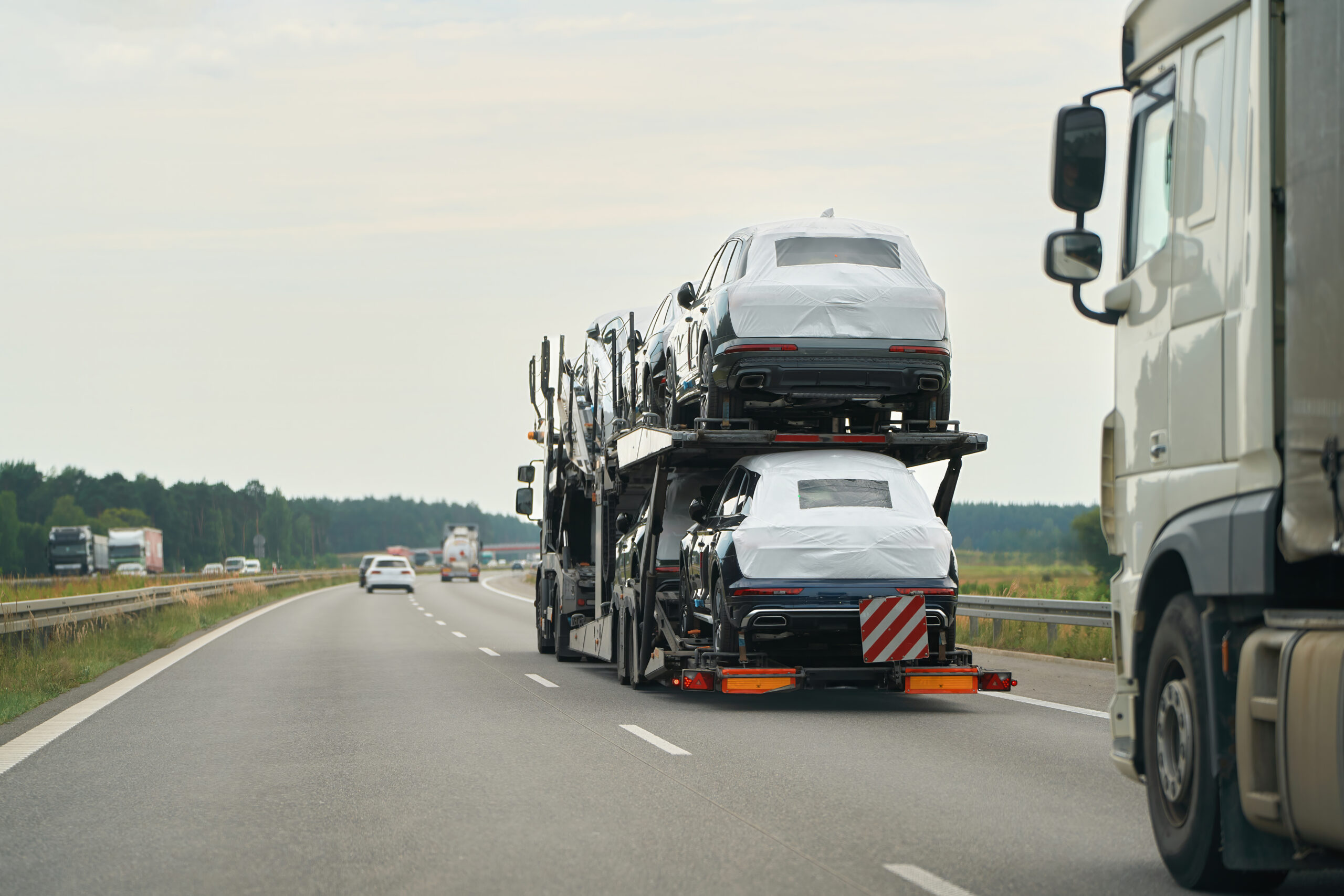
An auto transport trailer is the primary piece of equipment carriers use to move vehicles, whether for a short regional run or a cross-country haul. These trailers are designed to carry multiple cars safely and efficiently, with the cars stacked or loaded side by side, depending on the type.
While carriers own and operate the trailers, shippers and brokers often have a say in which type of trailer is used. Particularly when vehicle conditions, delivery deadlines, or customer expectations are at stake. Choosing the right trailer can mean the difference between a smooth, damage-free delivery and unexpected headaches.
Put simply, trailers aren’t a mere back-end detail. They’re the critical link in how vehicles move through your supply chain.
What Are the Common Trailer Types and Their Use Cases?
Not all trailers serve the same purpose. The type you choose (or request) has a direct impact on how your vehicles are loaded, protected, and delivered.
Here’s a quick breakdown of the most common options and when they make sense:
- Open trailers: The most widely used option. These trailers are affordable, easy to dispatch, and perfect for standard dealership moves or auction shipments. Vehicles are exposed to weather and road debris, but for many everyday loads, that trade-off is worth the lower cost.
- Enclosed trailers: Used for high-value, luxury, or classic cars that need extra protection. These trailers shield vehicles from the elements and road grime but come at a higher price point and often require more lead time to book.
- Wedge trailers: Common for local or regional deliveries. These trailers can typically carry 2-3 vehicles and are popular among smaller carriers due to their flexibility and lower operating costs.
- Flatbed trailers: Used for inoperable vehicles, oversized units, or specialty hauls. They have limited capacity but are highly flexible for unique jobs.
- Single-vehicle hotshot trailers: Good for urgent, short-haul deliveries or specialty moves where only one vehicle needs transport. However, these are not cost-effective for bulk loads, but they are great for quick, specialized jobs.
- Multi-level high-capacity trailers: Designed to maximize load density, moving up to nine vehicles at once. These trailers are suitable for large dealership transfers or regional distribution runs where volume matters most.
As you can see, each trailer type has a clear role. Choosing the right option boils down to balancing cost, protection, timing, and the type of vehicles you’re moving.
| Trailer Type | Use Case | Capacity | Notes |
| Open multi-car trailer (3–10 vehicles) | Dealer transfers, auctions | 6–10 cars | Most cost-efficient |
| Enclosed trailer | Classic/luxury vehicles | 1–6 cars | Higher protection, higher cost |
| Wedge trailer | Local deliveries, single/multi-car | 2–3 cars | Often used by smaller carriers |
| Flatbed trailer | Inoperable or specialty vehicles | Varies | Limited but flexible |
| Single car trailer | Specialty transport, short-haul | 1 car | Fast but less scalable |
How Does Trailer Choice Impact Transport Efficiency and Cost?
Your choice of trailer has a direct impact on your bottom line and delivery timelines.
For starters, cost-per-vehicle changes with trailer type. Open trailers can transport more cars simultaneously and are faster to load and dispatch, making them the most economical option for standard vehicles. However, they offer less protection, which may not be suitable for high-value or delicate shipments.
Enclosed trailers, while more protective, tend to be pricier and often require more lead time to schedule. They’re ideal when vehicle condition is a top priority, but might not make sense for budget-sensitive moves. Heavier or more specialized trailers can also lead to higher fuel costs and may face route restrictions in certain areas. This adds time or detours that affect overall efficiency.
Then there’s load density. The number of vehicles you can stack or load directly affects the cost per trip. The higher the density, the more efficient (and often cheaper) each move becomes.
In short, trailer choice shapes your pricing structure, delivery speed, and customer experience. Gaining a clear understanding of these trade-offs helps you quote accurately and set realistic expectations from the very beginning.
Matching Loads to Trailers: What to Consider
Choosing the right trailer isn’t a one-size-fits-all approach. The best option depends on the details of each load and your logistics goals.
Here are some key factors to weigh before making the call:
- Vehicle size: Compact cars, heavy trucks, and electric vehicles all have different footprints and weight requirements. Larger or taller units may limit trailer capacity or require special configurations for better stability.
- Vehicle condition: Inoperable or non-running vehicles need trailers with winches, ramps, or flatbeds. Trying to force a standard trailer can lead to delays and damage.
- Destination distance and weather: Long hauls or routes through harsh weather might call for enclosed trailers, even if it costs more upfront. Better protection can save on the pains of repairs later.
- Urgency of delivery: If speed is critical, hotshot or lower-capacity trailers might be worth the extra cost. They move faster, and you can schedule them on shorter notice.
- Special placement or specific needs: High-value or convertible units benefit from top-row placement to avoid road debris. This can help ensure the vehicle is in pristine condition upon delivery.
At the end of the day, the trailer you choose should align with the type of load and the promises you’ve made to your customer. Proper trailer planning early on helps avoid last-minute scrambles and unexpected costs.
How Does Tech Improve Trailer Matching and Load Optimization?
Matching loads to the right trailer used to rely on phone calls, guesswork, and a bit of luck. Today, tech makes it easier and much more precise. For instance, the Super Loadboard helps brokers and shippers connect with car carriers who have the exact trailer type needed, reducing delays and mismatches. Instead of settling for whatever’s available, you can find the right fit faster (and at scale).
With a modern shipper TMS, you can view real-time capacity and trailer availability, automatically flagging the best options based on route, vehicle mix, and deadlines. No more blind scheduling or last-minute shuffles.
Digital BOLs and inspections also play a big role. Shippers can prep vehicles properly (like making sure high-value units are spotless or ready for enclosed shipping) and confirm trailer capacity constraints before loading.
Finally, real-time visibility into load status and trailer utilization helps avoid underloading. Knowing exactly how many vehicles a trailer can carry means you can maximize efficiency on every trip.
Overall, technology cuts out all the guessing and finger-crossing and replaces it with data. This makes trailer matching smoother for everyone involved.
Make Trailer Planning Part of Your Transport Strategy
Trailer choice is not a carrier-only decision. It should be part of your strategy from day one. After all, the type of trailer affects how quickly vehicles move, how much it costs, and how satisfied your customers are at delivery.
When you factor trailer constraints into your quotes, dispatch plans, and customer conversations, you avoid surprises later. You can set clearer timelines, manage costs more effectively, and build greater trust with your partners.
Super Dispatch helps shippers and brokers take control of this process. With tools that match the right trailer, optimize loads, and track every move in real-time, you can make trailer planning a proactive advantage. Request a demo to gain access to the Super Dispatch platform, including the Carrier TMS and Super Loadboard.