Back in 2020, California state Governor Gavin Newsom announced an executive order that would require sales of all new automobiles to be zero-emission by 2035. If the bill is enacted later this Summer, California’s mandate would also increase sales of EVs (electric vehicles) or other zero-emission cars to 35% by 2026, which would be the first bill of its kind.
While there are certainly positive sides to this bill’s creation, it’s undeniable that it will have major repercussions and change the automobile industry forever, for better or worse. Let’s delve into what exactly this proposed bill may mean for the future of the auto industry.
Other States And Countries Will Follow Suit
New York’s governor Kathy Hochul signed a bill that’s nearly identical to California’s last year, which will also ban gas-powered vehicles by 2035. So with both New York and California leading the charge in reducing ICE (internal combustion engine) emissions, it’s inevitable that other states will begin passing similar bills in the future.
So with the goal of eliminating the usage of ICE vehicles becoming more widespread, it does seem that they will eventually become phased out in the coming decades. Obviously, with 2035 still being quite a ways away, most of us won’t need to rush out and buy a brand new EV any time soon; however, manufacturers are working to transition.
Over forty other countries have announced plans to phase out or at least limit the use of fossil fuel vehicles, including Cambodia, Germany, Greece, Italy, Ireland, New Zealand, South Korea, and many others. This increased focus on lowering emissions by the U.S. and other countries may greatly lower our footprint, and help the environment in the long run.
Significant Job Loss
Though there are many huge benefits to eliminating ICE vehicles and permanently switching to EVs, there is at least one major downside, however: unlike their gas-powered counterparts, electric vehicles have substantially fewer moving parts and require less labor. To be specific, about 30 percent less according to Ford Motor. Including suppliers, the vehicle-manufacturing industry employs just a little under one million people domestically, so we’d see nearly 300,000 fewer jobs as a result of transitioning fully to EVs.
This would be a huge hit to the economy unless something major were to be done to offset it. Economist Josh Bivens shares his thoughts on the matter, stating that America could save hundreds of thousands of jobs if the country were to increase the proportion of parts produced domestically, rather than those purchased overseas. Currently, about half of the parts made for electric vehicles are produced in America, versus three-quarters of the parts made for gas-powered cars; if more parts were to be produced domestically, it could help offset potential job deficits.
Auto Transport Will Also Be Affected
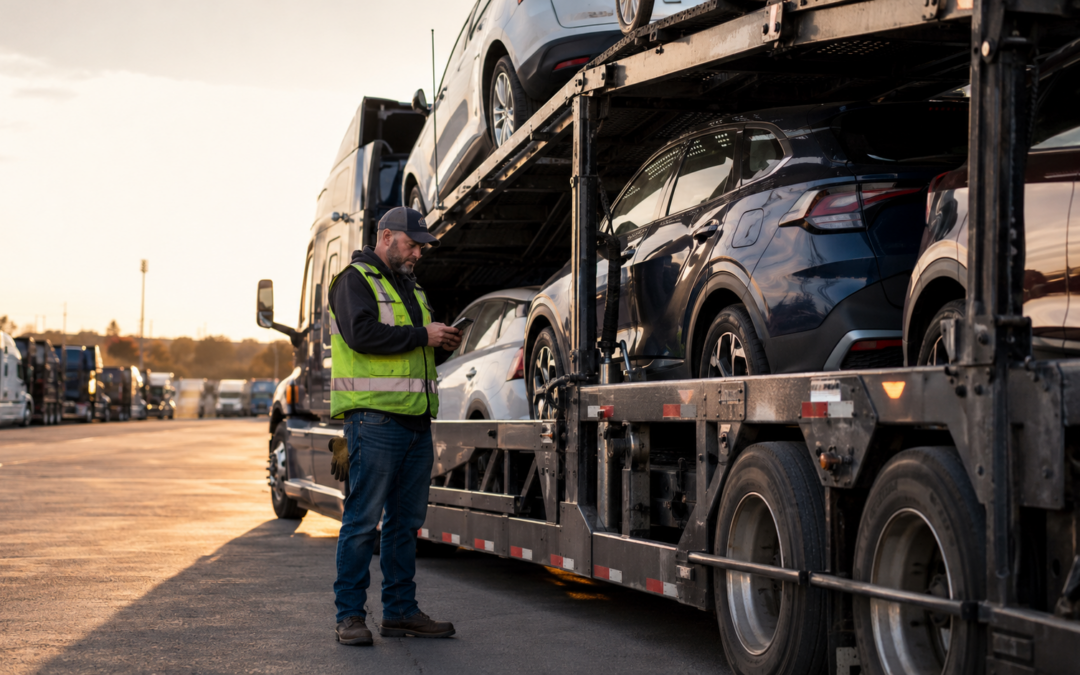
In addition to the aforementioned state bills regarding the ban on ICE vehicles, several states have also come forward with a plan to transition to zero-emission auto transport trucks. The initiative will force all medium to large trucks to switch to zero-emission alternatives by 2050, with the initiative starting in 2024.
And since California first announced its zero-emission truck rule in 2020, the White House has since accelerated its plans toward reaching its goal. To help speed up the transition, the U.S. Department of Energy is reportedly expanding the zero-emission truck technology through the “SuperTruck 3” program, which will add $127 million in funding that will go towards reducing costs and improving the durability of battery-electric trucks.
At this moment, the biggest hurdle is the limited range of battery-electric trucks, as the heavy batteries are quite limited in how much electricity they can hold as well as the high price of said batteries. This is an issue that is actively being worked on, but thanks to the investments by states and the federal government, this goal may be achievable sooner rather than later.
About Super Dispatch
Speaking of auto transport, if you’re looking to further digitize your business, you may be interested in a transportation management system. Super Dispatch is a TMS that allows users to manage their auto transport business from the palm of their hands and eliminates the need for filling out physical paperwork, filing reports, sending faxes, and more. Super Dispatch can help you move cars faster, and simplify workflow like never before. Request a free demo today.