The current conflict in Ukraine has caused many countries to condemn, and outright ban trade with Russia, with the United States and many other countries cutting off all imports to and from the country. This serves as a significant blow to the country, as Russia’s economy greatly hinges upon outside trading.
Jay Hatfield at IntraCap investment commented on this, stating that “global transportation and trading companies have not been able to get financing for cargos” which is greatly restricting the transportation of Russian oil.
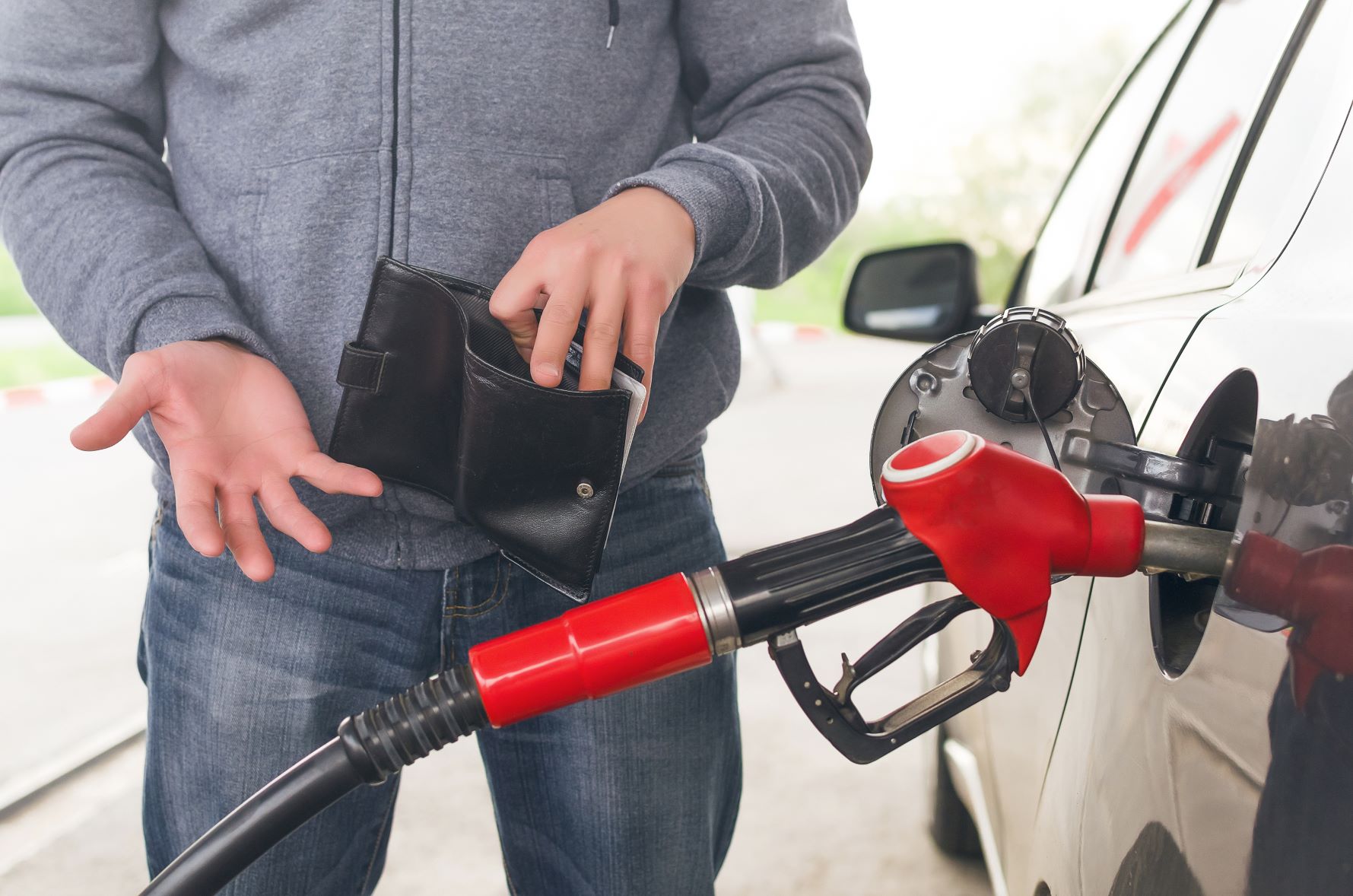
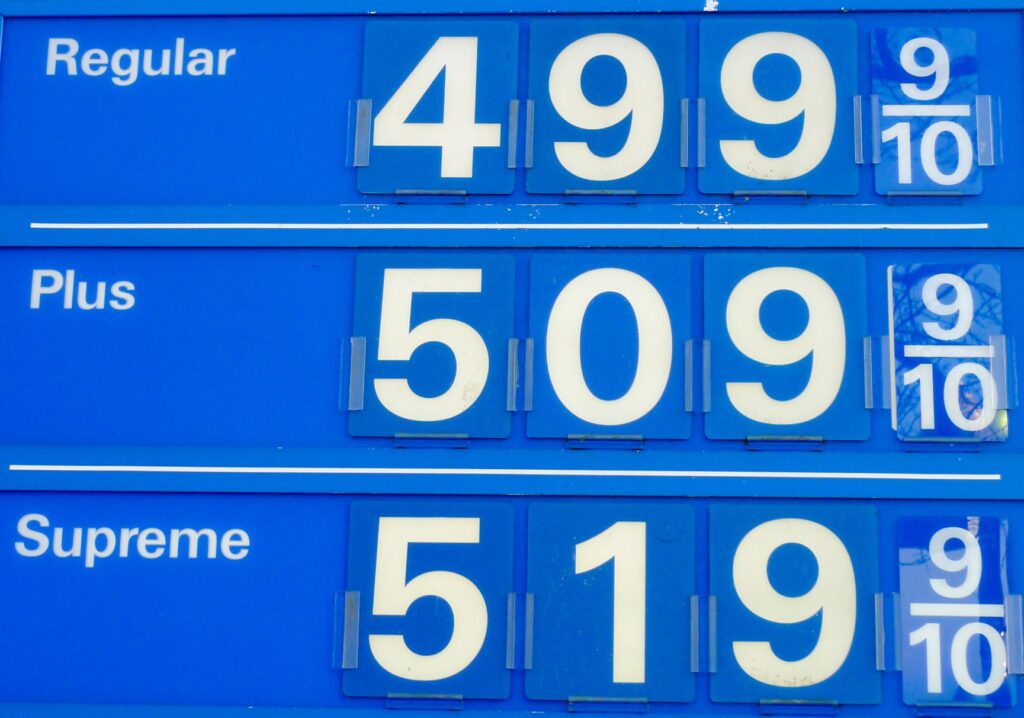
But though it’s important that Russia’s trades with outside countries are disrupted, there are many downsides to this as well. For one, the lack of Russian oils in countries like the United States has caused gasoline prices to rise significantly. Gas prices are higher than ever, and consumers are hurting badly because of it. Many are wondering exactly how high they will go, why they’re so expensive, and when we might see them drop.
Why Are Gas Prices So High?
Gas prices have been on the rise for a while now–especially in certain states like California– due to factors like post-pandemic consumer demand, but with the recent Russia-Ukraine conflict, gas prices have gotten considerably higher due to America cutting off all oil trading with the Russian government. With Russia accounting for roughly 11% of the world’s oil at 10.5 million barrels per day, cutting off trade with them has had a heavy impact on oil supplies.
Because of this sudden decrease in oil, supply and demand have naturally caused oil prices to increase dramatically within a very short period of time. This has caused many consumers, especially those who regularly commute to work via a personal vehicle, to struggle more financially.
How Can Gas Prices Be Lowered?
 Of course, the question on everyone’s minds is how gas prices can be lowered. There are a few possible solutions to this, and the U.S. government is currently trying them out. The first one is to lift sanctions on Venezuela, which is a somewhat controversial topic. U.S. officials met with Venezuelan officials earlier last month to discuss just this, with Chevron recently stating that they will trade with the foreign government if the U.S. chooses to relax sanctions. However, this would not be an easy fix as it would take a lot of time and work to see a change in oil prices.
Another option that has been discussed is for the government to implement what is essentially a gas tax “holiday,” which would change how gasoline is taxed. Instead of all oil being taxed at the point of sale, it would all be withheld and all be paid by gas companies at one point of every year. However, many are skeptical of this tactic and believe that it could have the opposite effect by causing further increased demand for gas and higher prices. This bill was recently scrapped.
Finally, the US has also considered the option of releasing oil from the country’s strategic reserves. For those unaware, there are roughly 580 million barrels of crude oil stored within storage sites across the country, which have been saved since the 1970s. On March 1st, President Biden authorized 30 million barrels (which is about 6% of the total barrel supply) to be released from the reserve with 1 million barrels released every day. This may help to alleviate prices, but only marginally.
When Can Consumers Expect Gas Prices to Drop?
It’s difficult to say when gas prices will drop significantly, as it will entirely depend on many different factors, including how long the war goes on, whether the United States will begin trading with other outside countries, and if we’ll be able to increase production of oil within our country.
Fortunately, the efforts enacted by the government to slowly trickle our oil reserves have seen positive results, with experts in some states like Alabama expecting gas prices to lower, and expect them to continue to drop. But not all states are as fortunate; California, for example, hasn’t seen prices decrease at all in gas prices, and experts don’t anticipate them going down any time soon. Consumers will just have to wait and see, as there are simply just too many factors at play to possibly predict when prices will drop.
Track Expenses Easier with Super Dispatch
If you work in the auto transport industry and have been recently struggling with the increased prices of gasoline, then you may want to consider trying out Super Dispatch. Track expenses with Super Dispatch’s mobile app, including accounts receivable and payable to account for gas pricing surges, and help discover other ways of cutting costs using our advanced customer reports tool.
If you think that Super Dispatch might seem like a good fit for your business, then consider trying it out. Try the free trial today!