If you’re searching for an auto transport platform, chances are you’re already past the “do we need a system?” stage.
You’re likely dealing with growing volume, more drivers, more customers, more tools, and more moving parts than your current process can handle. Maybe your team is still relying on spreadsheets, text threads, email chains, and disconnected systems that were fine early on, but now feel like they’re hindering your productivity.
This guide breaks down what to look for in an auto transport platform, what red flags to avoid, and why more shippers, brokers, and carriers are moving toward a connected and centralized solution like Super Dispatch.
Why Most Auto Transport Businesses Outgrow Their Current Setup
Most auto transport businesses don’t intentionally build messy workflows. It just happens.
A typical setup looks like this:
- A load board to find loads
- A spreadsheet to track details
- Calls and texts to coordinate dispatch
- PDFs or photos for paperwork
- Emails and calls to get and send updates
- Separate systems to invoice and collect payment
The problem is that none of these tools were built to work together. Every load becomes a chain of handoffs, re-entered information, and follow-ups.
At low volume, it’s (sometimes) manageable.
At scale, it becomes expensive and drains your team of time.
The Real Cost of Disconnected Tools
When tools don’t connect, your team becomes the integration.
That usually results in:
- Duplicate data entry
- Missed or delayed updates
- Lost paperwork
- Customer frustration
- Slow invoicing
- Longer payment cycles
- Disputes that could have been avoided
And the worst part? It doesn’t show up as one big failure. It shows up as constant friction that steals time, increases errors, and limits growth.
What to Look For in Auto Transport Software (The Buyer’s Checklist)
Not every platform is built the same, and not every “all-in-one” tool actually covers the full workflow.
Here’s what to look for when evaluating auto transport software.
- Load Management and Dispatch That Matches Real Workflows
Auto transport moves fast. If dispatch is clunky, everything after breaks.
A strong platform should make it easy to:
- Create, assign, and manage loads quickly
- Keep dispatch organized across multiple drivers
- Track load status without chasing people down
- Reduce manual steps between booking and delivery
If your dispatch team still needs spreadsheets to “keep track,” that’s a red flag.
- Driver and Carrier Communication Built Into the Platform
Calls and texts will always exist in auto transport, but they shouldn’t be the system. Look for software that keeps communication tied to the load, so updates aren’t lost in someone’s inbox or personal phone.
The best platforms reduce time spent asking:
- “Where are you?”
- “Did you pick it up?”
- “Can you resend the paperwork?”
- “When will it be delivered?”
Because the system should already know.
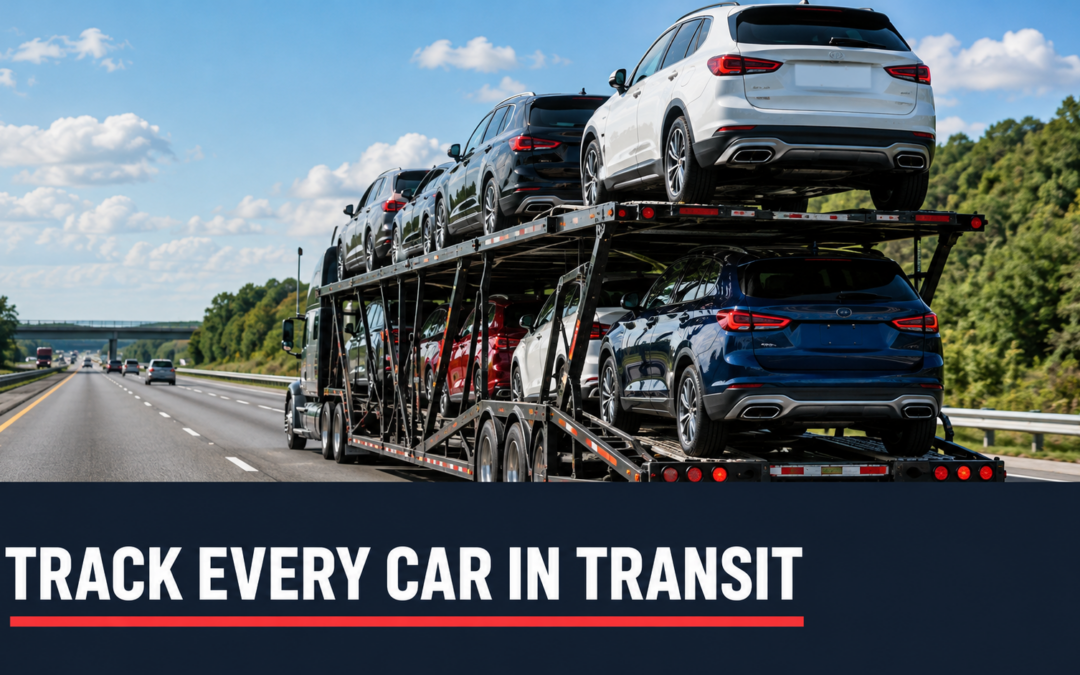
- Real-Time Tracking and Shipment Visibility
Visibility isn’t just a “nice to have.” It’s one of the biggest factors in customer satisfaction.
Tracking should be:
- Reliable
- Easy for drivers to use
- Clear for dispatchers and customers
- Connected to load status updates
If your platform treats tracking as an add-on instead of part of the workflow, you’ll feel it immediately.
- Digital BOL and POD Workflow (Without the Paper Chase)
If your business is still waiting on paperwork after delivery, you’re leaving money on the table.
Auto transport software should support:
- Electronic Bills of Lading (eBOL)
- Electronic Proof of Delivery (ePOD)
- Photo inspection documentation
- Easy upload and access for teams
Paperwork shouldn’t be something you chase. It should be something your platform captures automatically as part of the job.
- A Clear Path From Delivery to Invoicing and Payments
This is where many tools fall apart.
Some platforms help you dispatch loads, but once the vehicle is delivered, your team still has to:
- find paperwork
- verify delivery
- build an invoice manually
- send it out
- follow up on payment
The best platforms shorten the time between “delivered” and “paid” by keeping documentation and billing connected.
Because in auto transport, cash flow matters just as much as volume.
- Document Storage and Audit-Ready Organization
Auto transport businesses deal with a lot of documentation:
- BOLs
- PODs
- inspections
- carrier packets
- customer agreements
- claims and damage documentation
You want a system where documents are attached to the right load and easy to find later.
If someone says “check the email thread,” you don’t have a system—you have a risk.
- Reporting and Insights That Help You Run the Business
Scaling requires visibility into performance.
A strong auto transport platform should give you insight into:
- load volume and trends
- carrier and driver performance
- turnaround time
- delivery speed and delays
- operational bottlenecks
You shouldn’t have to export spreadsheets just to answer basic business questions.
- A Platform That Supports Growth, Not Just Daily Operations
Plenty of tools can handle a few loads a week.
But scaling is different.
If you plan to grow, you need software that supports:
- multiple dispatchers
- multiple locations
- standardized workflows
- consistent customer experience
- accountability across teams
The right platform doesn’t just help you manage today—it helps you build repeatable operations for tomorrow.
Red Flags When Evaluating Auto Transport Platforms
Some software looks good in a demo, but creates headaches later.
Here are a few red flags to watch for.
🚩 “All-in-One” That Still Requires Manual Workarounds
If you still need spreadsheets, text chains, or third-party tools to complete the workflow, it’s not truly all-in-one.
🚩 Tracking That Isn’t Reliable
If tracking depends on constant manual updates, you’ll spend more time chasing drivers than managing loads.
🚩 Paperwork That Lives Outside the System
If documents aren’t automatically tied to the load, invoicing slows down and disputes increase.
🚩 No Clear Workflow From Dispatch to Payment
If the platform doesn’t connect delivery, documentation, invoicing, and payments, you’ll still be stuck with delays.
🚩 A System That Doesn’t Match Auto Transport Reality
Generic logistics tools often miss the details that matter in vehicle shipping. Auto transport is specialized—and your software should be too.
Why Super Dispatch Is Built for Auto Transport Businesses Ready to Scale
Super Dispatch was built specifically for auto transport operations—not as a generic logistics tool, and not as a single-purpose add-on.
It’s designed to connect the entire workflow in one platform, including:
- Load management and dispatch
- Driver communication and coordination
- Tracking and visibility
- Digital paperwork workflows (eBOL/ePOD)
- Document organization
- Tools that support faster invoicing and payments
- Operational visibility for scaling teams
Instead of piecing together systems, Super Dispatch helps brokers and carriers operate from a single source of truth.
That means fewer handoffs, fewer mistakes, and fewer delays.
What Life Looks Like After Implementing a Connected Platform
When your tools are connected, your operation changes.
Instead of constantly tracking people down, your team can:
- dispatch faster
- communicate more clearly
- reduce paperwork delays
- improve customer updates
- invoice faster
- get paid sooner
- scale without adding chaos
It’s not just software, it’s an operational upgrade.
Final Thoughts: Choose the Platform That Supports the Entire Load Lifecycle
When evaluating auto transport software, the biggest question isn’t “does it have features?”
It’s this:
Does it support the entire shipment lifecycle, from dispatch to delivery to payment, without relying on manual workarounds?
That’s what separates tools that help you stay busy from platforms that help you scale.
Super Dispatch is built for the businesses that are ready to simplify operations, reduce friction, and grow with confidence.
Ready to See Super Dispatch in Action?
If you’re evaluating platforms and want to see what a connected workflow looks like in real life, Super Dispatch can help.
Brokers and shippers can schedule a demo and carriers can start a free trial to see how brokers and carriers are using one platform to manage dispatch, tracking, documents, and payments – end to end.